
The Hidden Dangers of Delayed Home Repairs
On this page · 8 sections
Every house has a list. The cabinet door that doesn't quite close, the stain on the ceiling that showed up after a storm, the deck board that gives a little when you step on it, the outlet that feels warm when the space heater is plugged in. Most of those items sit on the list for months, sometimes years, because none of them feels urgent on any given Tuesday.
The trouble is that some of them are quietly getting worse. Water keeps moving, wood keeps softening, and a loose board stays loose right up until somebody catches a foot on it. This post is how we help homeowners sort their list: what can honestly wait for a planned visit, and what is costing you something every week you leave it.
The short answer
Bottom Line Up Front
If the problem involves water, electricity, or something a person could trip on or fall through, fix it now. Cosmetic wear, like scuffed paint, a small gap in trim, or a sticking cabinet door, can wait for a planned visit, as long as you keep an eye on it.
Delayed repairs aren't dangerous because they're ugly. They're dangerous because a few of them keep working against your house while you wait: water spreads into framing, soft wood gets softer, and a loose board stays loose until somebody's foot finds it. The trick is knowing which items on your list belong in which group.
The rest of this post walks through the four kinds of problems that get worse when they wait, with a decision matrix at the end so you can check your own list in a couple of minutes.
Danger 1: Water damage keeps spreading where you can't see it
Water is the repair that punishes waiting the most. A cracked bead of caulk around a tub, a gap where trim meets a window, or a slow drip under a sink doesn't stay a small problem. The water that gets past it soaks into subfloor, drywall, and framing, and by the time you see a soft spot or a stain, the damage underneath is usually bigger than the spot on the surface.
Here near the coast, damp air makes it worse. Moisture that would dry out in a few days somewhere else can linger, and lingering moisture is what invites mildew and rot. Resealing a tub or tightening up the trim around a window is a short job. Pulling up a soft bathroom floor and rebuilding what's under it is not.
Fix now or wait: at a glance
This is the quick version we'd talk through with you on a walkthrough. Each row is a common item on a homeowner's list; the highlighted column is the one that should be driving your decision for that kind of problem.
| Problem | Can wait a bit | Fix it now |
|---|---|---|
| Ceiling or wall stains | Old, dry, and not growing | Damp, spreading, or new after a storm |
| Caulk around tubs and sinks | Discolored but still sealed | Cracked, peeling, or gapped |
| Floors | Worn finish, still level | Soft spots, lifted or loose planks |
| Stairs and railings | Squeaks but solid | Treads rock or railings move |
| Deck boards | Faded or graying | Cracked, broken, or soft |
| Outlets and switches | Cracked cover plate only | Warm, buzzing, or scorched |
| Interior paint | Scuffs, fading, dated color | Bubbling or peeling near moisture |
| Cabinet doors and drawers | Sticking or out of line | Damage from a leak underneath |
Pick one Saturday each season and walk every room with a flashlight. Look under sinks, along the base of the tub and shower, at ceilings below bathrooms, and at every step and railing, inside and out. Write down anything new. A list you made on purpose is much easier to act on than one you only remember when something breaks.
Danger 2: Trip and fall hazards don't give a second warning
Lately, a lot of the homeowners we work for are seniors, and this is the category we take most seriously with them. A lifted floor plank, a stair tread that rocks, a railing that moves when you lean on it, a deck board that's cracked through — each of these is fine right up until it isn't. There is no slow decline with a fall. It happens once.
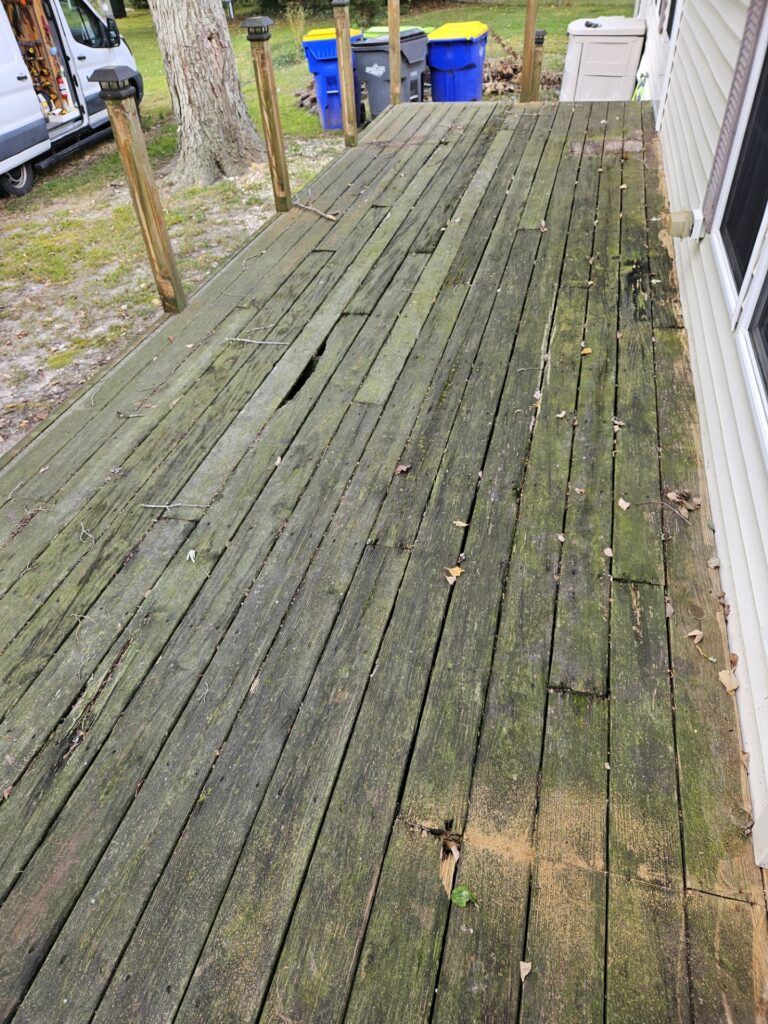
The fixes here are usually straightforward carpentry work: replacing damaged boards, resetting a loose tread, securing a railing, or adding a handrail where there never was one. Inside, worn or uneven flooring is worth replacing before it becomes a hazard, and vinyl plank flooring gives you a level, durable surface that holds up to daily traffic. If you're planning for a parent or for yourself, our post on home modifications that prevent senior falls goes further.
Signs it can wait
The problem is cosmetic and it isn't changing. Put it on the list for a planned visit.
What we look for
- The problem looks the same this month as it did three months ago.
- Nothing around it is damp, soft, or discolored.
- Nobody could trip on it, lean on it, or put a foot through it.
- It's about how the room looks, like paint, trim gaps, or a misaligned door.
Signs it can't wait
The problem is active or it's a safety risk. Every week you wait makes it worse.
What changes the answer
- A stain, soft spot, or musty smell that's new or getting bigger.
- A stair tread, railing, or deck board that moves when you put weight on it.
- An outlet or switch that's warm, buzzing, or marked with scorch marks.
- Someone in the house is older or less steady on their feet.
Danger 3: Electrical warning signs are not a someday job
Some problems belong on the “call this week” list no matter how small they look. Lights that flicker when nothing else is running, an outlet or switch plate that feels warm, a buzzing sound from a wall, scorch marks around a plug, or a breaker that keeps tripping are all signs that something behind the wall needs attention. Electrical problems don't usually announce themselves loudly before they become dangerous, so the quiet signs are the ones to act on.
Our honest advice: don't put these off, and don't hand them to whoever is cheapest. Wiring problems call for a properly licensed electrician. If you're not sure whether what you're seeing is electrical or something else, a loose fixture or a damaged cover plate for example, ask before anyone opens a wall.
There are a lot of people in this industry who are not properly registered or insured. When a repair gets put off long enough, it's tempting to hire the first person who can come out. Before anyone starts work, ask whether they're a legal, registered company with insurance, and ask whether they've done this specific type of work before. Changing a lightbulb is one thing. Rebuilding a stair or fabricating and finishing something is another.
Danger 4: Small fixes turn into bigger projects
The last danger is the one homeowners feel in their wallet. A loose railing that gets reset this month is a quick job; the same railing after a winter of moisture working into the posts can mean replacing the posts too. Peeling paint in a bathroom is a painting job until the moisture underneath has softened the drywall. A gap in the trim around a window is a caulk-and-trim job until water has been getting behind it for two years.
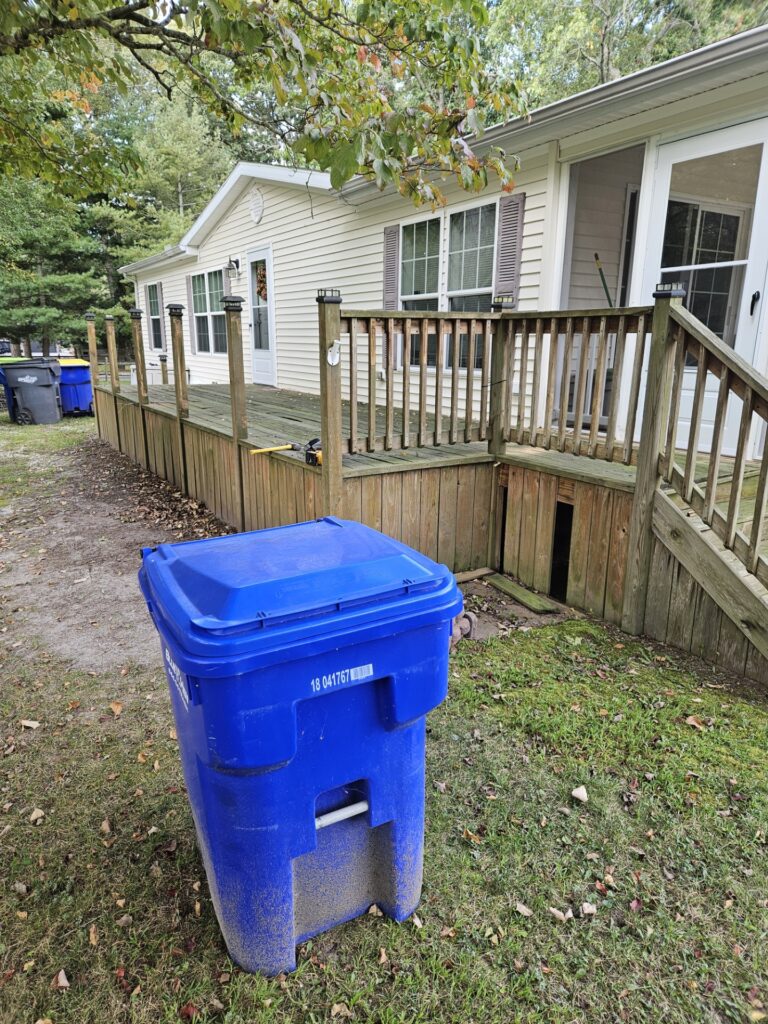
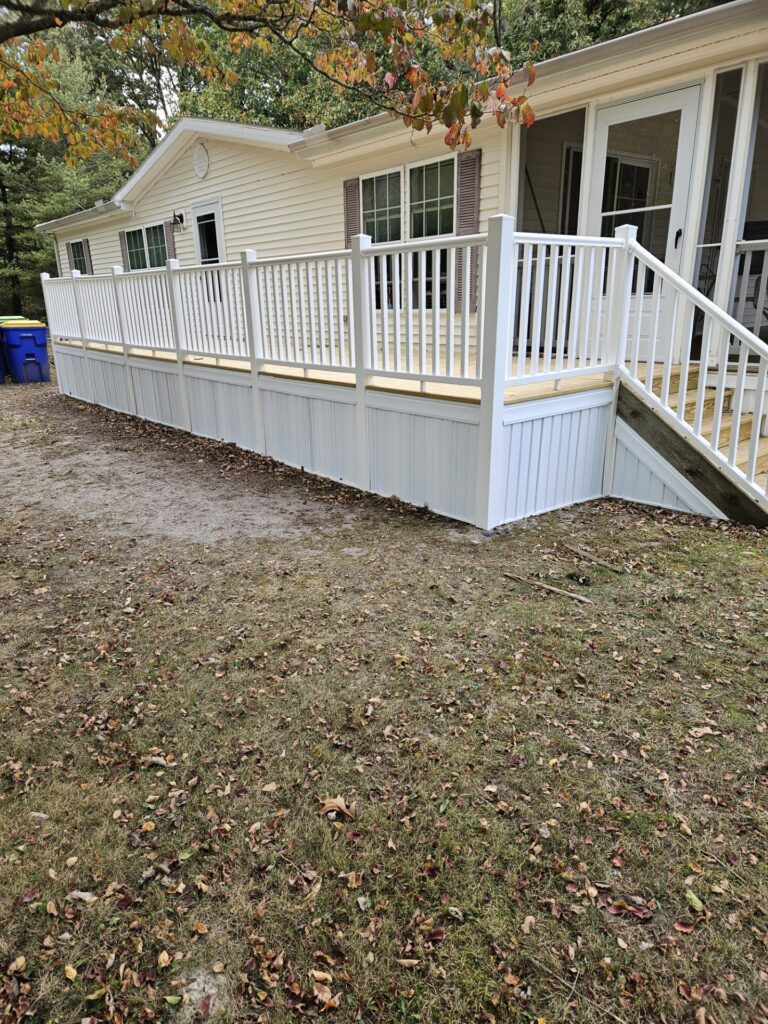
Same deck, two outcomes. Drag the divider to compare a weathered deck that's been left to wear against the finished deck once the work was done.
“We treat your home as though it were our own. If we wouldn't be satisfied with that kind of work in our home, we won't leave yours that way.”— AEB Services, Inc.
The decision matrix
If you only do one thing with this post, check your list against this table. Read down the left column, find the rows that match what you're seeing at home, and look at which side has the stronger answer. Anything that lands in the “fix it now” column goes to the top of the list.
| If the problem… | Plan it | Fix it now |
|---|---|---|
| is only cosmetic and isn't changing | Yes | No rush |
| involves water you can see or feel | Spreads while you wait | Yes |
| is something you could trip on | No | Yes |
| is a railing or step that moves | Not safe to leave | Yes |
| is an outlet that's warm or buzzing | No | Call an electrician |
| is peeling paint in a damp room | If the area is dry | If it's still damp |
| is one of several small items | Batch them in one visit | Only the urgent ones |
The bottom line
Most of the items on a homeowner's list really can wait for a planned visit, and there's no reason to panic over a scuffed wall or a sticky drawer. The ones that can't wait are the ones involving water, electricity, or anything someone could trip on or fall through. Those get worse every week, and they rarely get cheaper.
When you're ready to work through the list, our handyman services are built for exactly that: a batch of repairs handled in one visit instead of one at a time. If something on your list can't wait, start with our page on urgent home repairs. Either way, the process is the same: tell us what you need, we set up a time to come look at it, and you get a quote, which is typically free.