
Updating Your Trim Work
On this page · 8 sections
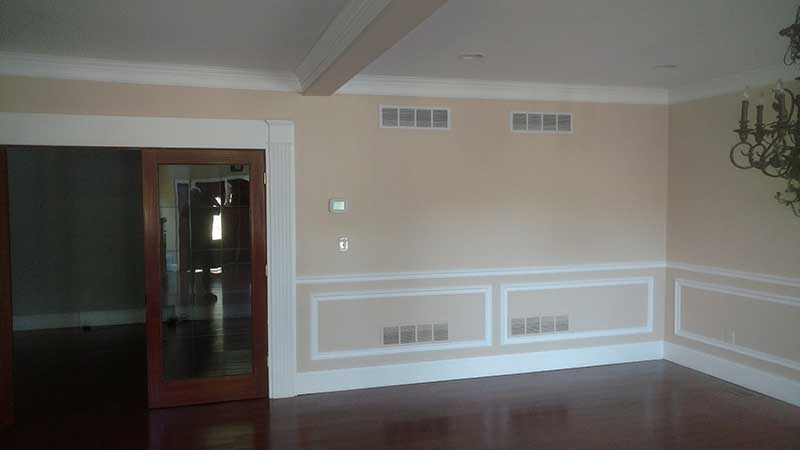
Trim is the part of a room you stop seeing after a few years, right up until you notice it all at once. A baseboard that pulled away from the wall, window casing with paint cracking at every joint, crown molding with a gap that opens a little wider every season. Homeowners across Sussex County call us about exactly this kind of thing, and it is a big part of the carpentry and trim work we do: baseboards, windows, crown molding, and the details that frame a room.
The first question is almost always the same: can we just paint what's there, or does it need to come off? The honest answer depends on four things: what shape the trim is in, whether it still suits the house, what else is changing in the room, and who lives in the space. Work through those four and you will usually know which way you're leaning before anyone picks up a pry bar.
The short answer
Bottom Line Up Front
If your trim is solid, tight to the wall, and still suits the room, refresh it with repairs, caulk, and paint. If it is soft, split, or loose in several places, looks out of place next to newer finishes, or is coming off anyway for new floors, replace or upgrade it.
Paint fixes more trim than people expect, and it is the place to start when the wood is sound. But paint cannot fix a profile that's wrong for the house, and it will not hold on wood that's failing. The trick is telling the difference between trim that's tired and trim that's done, and planning it alongside the floors and walls so the room comes together once.
The rest of this post walks through the four questions behind that answer, with a comparison table, a checklist of signs, and a decision matrix at the end you can run through room by room.
Question 1: What shape is the trim in right now?
Start with your hands, not your eyes. Press on a baseboard near a corner and along the middle of a long run. Solid trim that is simply scuffed, dinged, or yellowed is a paint job, and a good one can make tired trim look new. Trim that flexes, has gaps you could slide a coin into, or has come loose from the wall needs carpentry first, even if it ends up keeping its old profile.
Look closely at window sills and the bottom of door casing, too. Those are the spots that take the most moisture and the most abuse, and wood that has gone soft or split there will not hold paint for long. A few bad pieces in an otherwise sound room is a targeted repair. The same problem in every room is a sign the trim has reached the end of its run.
Refresh vs. replace at a glance
This is the comparison we would sketch out on a walkthrough. Each row is a real decision factor, and the highlighted column is the smarter call when that factor is the one driving your decision.
| Factor | Refresh What’s There | Replace or Upgrade |
|---|---|---|
| Condition of the wood | Solid, scuffed, or dinged | Soft, split, or rotted |
| How it sits on the wall | Tight, with cracked caulk | Loose or pulling away in many spots |
| Extent of damage | A few pieces in one room | The same problems in every room |
| Style | Suits the house, just looks tired | Too thin or plain for the room |
| Paint buildup | A few clean coats | Layers thick enough to blur the detail |
| New floors going in | No flooring change planned | Baseboards are coming off anyway |
| Budget | Lower: repairs, caulk, and paint | Higher: material and finish carpentry |
A lot of trim that looks worn out is really failed caulk. Where the top of a baseboard or the edge of a casing meets the wall, old caulk shrinks and cracks, leaving a dark shadow line that makes the whole piece look neglected. Run a fingernail along that seam. If the wood underneath is tight to the wall and solid, fresh caulk and paint may be all the room needs.
Question 2: Does the trim still suit the house?
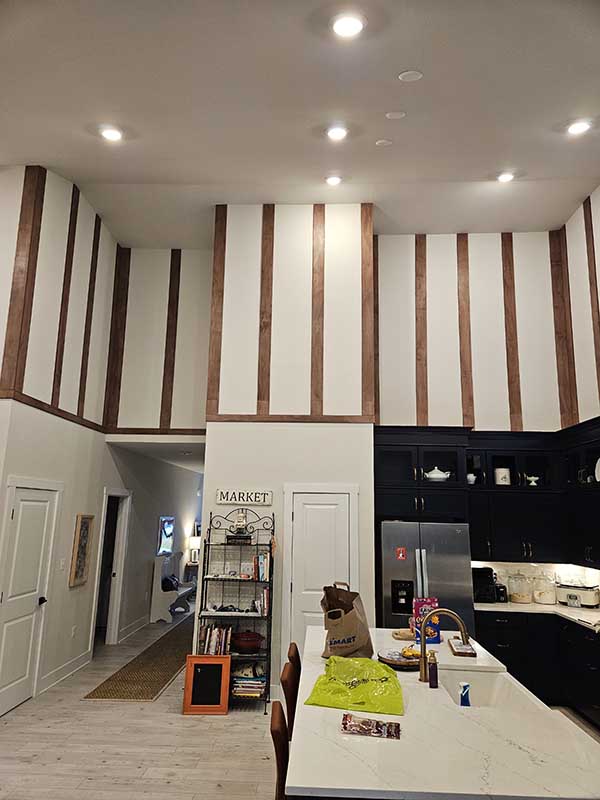
Trim in good condition can still be the wrong trim. Thin, flat baseboards and plain casing were standard in plenty of homes, and they can make a room feel unfinished next to new cabinets or new floors. Taller baseboards, fuller window and door casing, crown molding where there was none, or a chair rail with wainscoting below can change how a room reads without touching a single wall.
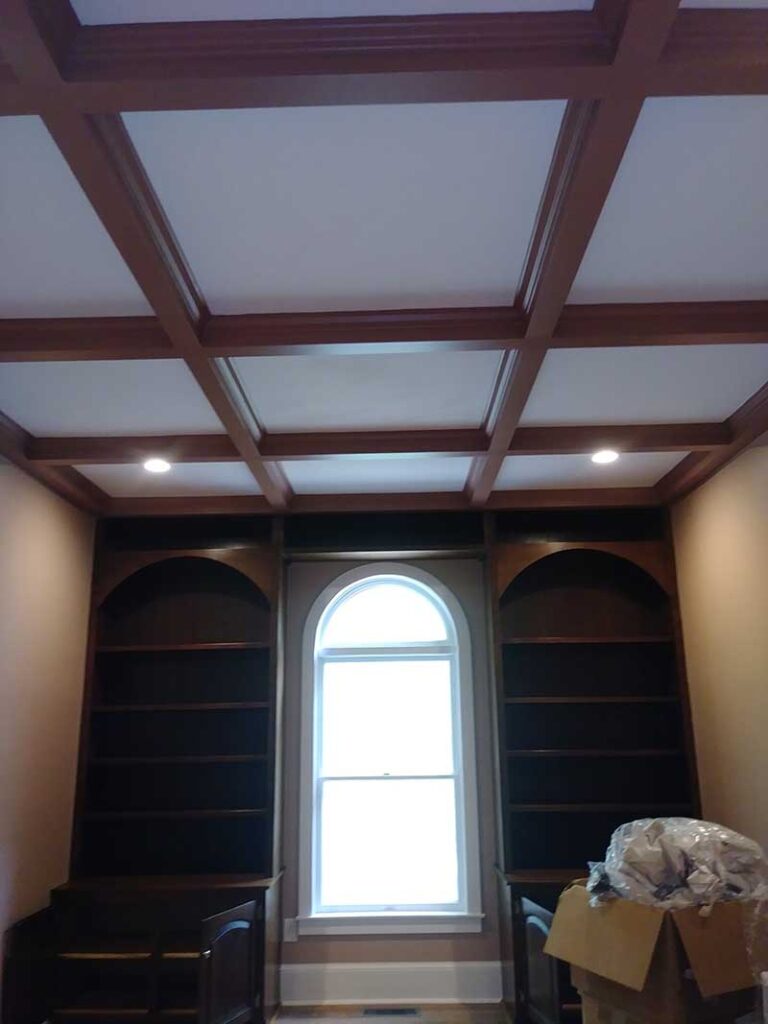
The test we suggest is simple: stand in the doorway and ask whether the trim looks like it belongs with everything else in the room. If the answer is yes and it's just tired, refresh it. If the answer is no, painting it will only make the mismatch cleaner. That is the moment to think about an upgrade.
Question 3: What else is changing in the room?
Trim rarely gets updated on its own. It usually rides along with something bigger, and the order matters. If you are putting in new floors, baseboards are the natural time to rethink, because they often come off for the install anyway. That's one reason we like to plan trim alongside vinyl plank flooring instead of after it.
Paint is the other half. If the walls are getting a new color, the trim is going to be either the crisp line that sets that color off or the dingy edge that drags it down. Doing interior painting and trim in the same project means the caulk, the paint, and the carpentry all finish together. If you are still choosing a palette, our post on how paint colors affect mood is a good place to start.
Signs it’s a refresh
The trim is sound and suits the room. Repair the weak spots, caulk, and paint.
What we look for
- Baseboards and casing feel solid when you press on them, with no flex or soft spots.
- The gaps you see are along the caulk line, not open joints in the wood itself.
- The damage is a few dents, scuffs, or chips in high-traffic spots.
- The profile still looks right next to your cabinets, doors, and floors.
Signs it’s new trim
The trim is failing or fighting the room. Paint will only make the problem cleaner.
What changes the answer
- Window sills or the bottom of door casing are soft, split, or stained from moisture.
- Baseboards have pulled away from the wall in several rooms, not just one.
- The baseboards are noticeably thinner or plainer than the newer finishes around them.
- New flooring is going in and the baseboards will have to come off for it.
First, hire a legal company. There are a lot of people in this industry who are not properly registered or insured, and you find that out at the worst possible moment. Second, ask whether they have done this type of work before. Painting a baseboard and fabricating crown molding for a room with out-of-square corners are very different jobs, and finish carpentry shows every shortcut. Ask to see photos of trim work they have actually completed.
Question 4: Who uses the room, and how?
This is the question homeowners skip, and it often decides the job. A busy hallway with kids, pets, and vacuum cleaners hitting the baseboards every day wants trim that can take a beating and a finish that wipes clean. A formal dining room can carry more delicate detail. And for homeowners planning to stay put as they get older, trim is part of making a house easier to live in: smooth transitions at doorways, sturdy sills, and nothing loose to catch a foot or a walker.
Lately a lot of the calls we get are from seniors who want their homes to work better for the years ahead. If that is where you are, our post on aging-in-place modifications covers more of what we look at beyond the trim.
“We treat your home as though it were our own. If we wouldn’t be satisfied with that trim in our house, we won’t leave it that way in yours.”— AEB Services, Inc.
The decision matrix
If you only do one thing with this post, walk each room with this table. Read down the left column, find the rows that describe your trim, and see which side has the stronger answer. Most rooms land on more than one row, and the right call is whichever column wins most of your rows.
| If your trim… | Refresh | Replace |
|---|---|---|
| Is solid but scuffed and dull | Yes | Overkill |
| Has cracked caulk but tight joints | Yes — recaulk and paint | Not needed |
| Is soft or split at sills and door bottoms | Only the bad pieces | Yes, those pieces |
| Is loose or gapped in most rooms | Won’t hold | Yes |
| Looks too plain for the room | Paint won’t change the shape | Yes — upgrade |
| Sits where new floors are going in | If it comes off clean | Good timing |
| Is in a room you’re repainting anyway | Yes — same project | If it’s also failing |
The bottom line
Most trim that bothers homeowners does not need to come off. It needs a few repairs, fresh caulk, and a clean coat of paint. The trim that does need replacing usually makes it obvious: it is damaged in more than one place, it no longer suits the rest of the room, or a bigger project like new floors is already taking it off the wall. When two or three of those line up, new trim is the better use of your money.
If you are not sure which side your rooms fall on, that's what a walkthrough is for. We start by talking through what you want, set up a time to come look at it, and give you a quote, which is typically free. You can see more of what we build in our project gallery, and if you're comparing contractors, our guide on how to hire a handyman lays out what to ask.