
Seasonal home maintenance: winter prep for Sussex County homes
On this page · 8 sections
Every fall we hear a version of the same question from homeowners around Millsboro, Long Neck, and the beach towns: what actually needs doing before winter, and what can wait until spring? It's a fair question. Most winter trouble doesn't start in January. It starts with a gap around a window that has been letting air in for years, a deck board that went soft last summer, or a railing that has been a little loose for so long nobody notices anymore.
Seasonal maintenance doesn't have to be a weekend-eating project. It comes down to four areas: the gaps that let cold air and water in, the outdoor surfaces you'll be walking on in wet weather, the inside of the house you'll be living in all season, and the indoor projects worth planning for the months when you're home more. Work through those four and you'll know what to handle yourself and what to hand off.
The short answer
Bottom Line Up Front
Before the cold sets in, seal the gaps around windows and doors, fix any soft deck boards, loose railings, or rocking steps, and make sure handrails and grab bars are solid. Cosmetic outdoor work can wait for spring; anything that lets in air or water, or could cause a fall, shouldn't.
Winter doesn't usually create new problems so much as it exposes the ones already there. A small draft becomes a cold room, a loose handrail becomes a hazard on a wet night, and a soft board gets softer. Handle the safety and weather items first, then use the indoor months for the projects you've been meaning to get to.
The rest of this post walks through each of the four areas, with a quick table for sorting do-it-yourself jobs from the ones worth calling about, and a decision matrix at the end.
Step 1: Seal the drafts around windows, doors, and trim
Start inside, on a windy day. Hold the back of your hand near the edges of windows, exterior doors, and the baseboards along outside walls. If you feel moving air, you've found a gap. Look closely at the caulk where the window casing meets the wall, the weatherstripping on your door jambs, and the bottom of each exterior door, where a worn sweep lets in a steady draft.
Some of this is an easy afternoon: a tube of caulk, a roll of new weatherstripping, and a door sweep from the hardware store. But when the caulk keeps failing because the trim behind it has pulled away, split, or gone soft from moisture, fresh caulk is only a cover-up. That's when the trim itself needs repair or replacement, and it's exactly the kind of carpentry and trim work we do every week: casings, baseboards, crown molding, and the details that make a room look finished.
DIY or call a handyman, at a glance
Here's how we'd sort a typical fall list if you handed it to us. The highlighted column is the smarter call for each task, and plenty of homes end up with a little of both.
| Task | Usually DIY | Worth Calling Us |
|---|---|---|
| Worn door weatherstripping | Peel, clean, and replace | Door that won't close tight |
| Gaps along window trim | Fresh caulk on sound trim | Trim that's split, loose, or soft |
| Furnace filter and smoke detectors | Swap and test yourself | Not a handyman job |
| Deck boards | Sweep off leaves and debris | Soft, split, or cupped boards |
| Porch and stair railings | Tighten a visible screw | Posts or rails that move |
| Grab bars and handrails | Not a guesswork job | Mounted solidly, where they're needed |
| Scuffed walls | Touch up a small spot | A full room or more |
Go room by room and write down every sticking door, loose handrail, cracked piece of trim, and soft spot in the floor or deck. One list is easier to price, easier to schedule, and far less likely to leave a small problem sitting until it becomes a big one. If you've been putting off a few of these, our post on what delayed repairs can turn into is worth a read first.
Step 2: Check the deck, porch, steps, and railings
Wet leaves, rain, and the occasional frost make outdoor steps and decks slick at exactly the time of year you're carrying groceries in after dark. Walk your deck and porch slowly. Press on boards that look darker than the rest, check for split or cupped planks, look for green mildew, and give every railing and handrail a firm push. A railing should not move. If it does, the post or its fasteners have loosened, and that's not something to lean on all winter.
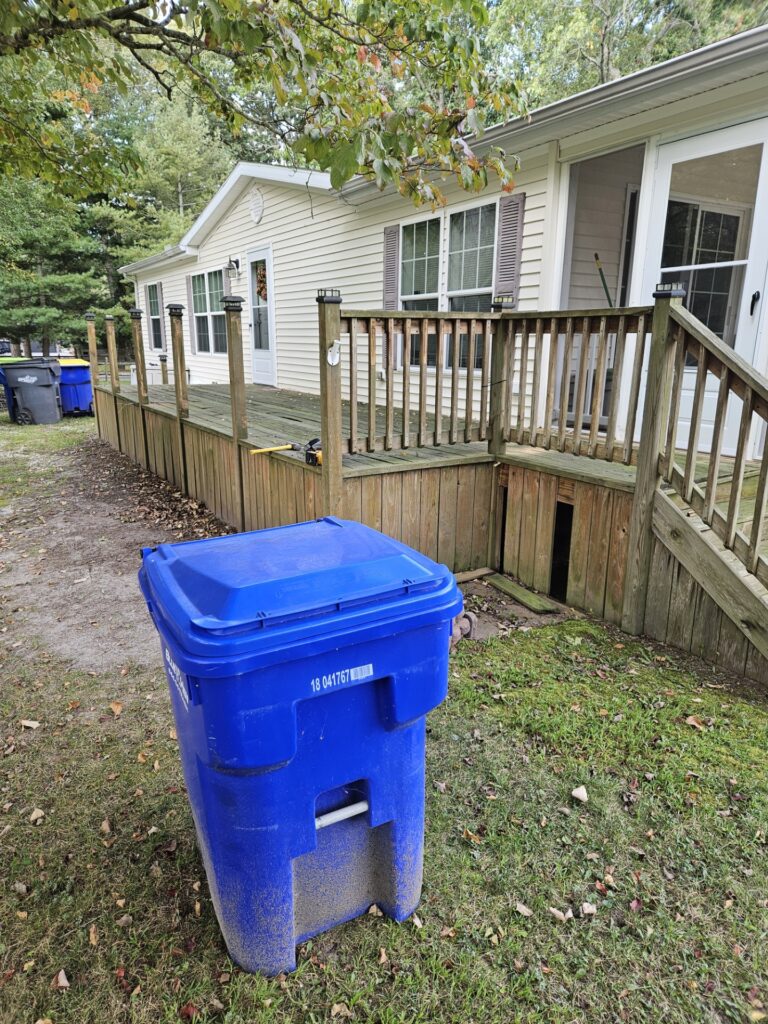
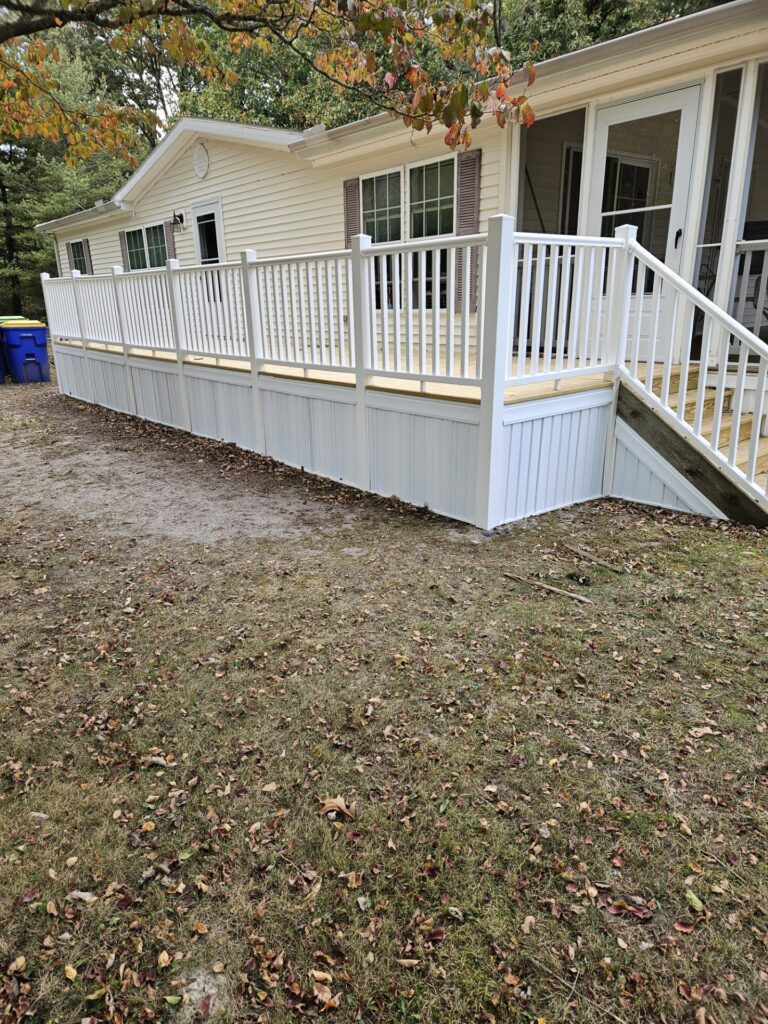
One cracked board you can step around is a spring job. A soft board near the stairs, a wobbly handrail, or a step that rocks is a fix-it-now job, because winter is when those things fail under someone's weight.
Signs it can wait until spring
The problem is cosmetic and nobody's footing depends on it. Write it down and plan for it.
What we look for
- One weathered deck board away from the stairs that's still firm when you step on it.
- Faded or peeling paint on railings that are still solid when you push on them.
- A small gap in caulk on an interior wall, away from windows and exterior doors.
- Scuffed baseboards or trim that are dented but still tight to the wall.
Signs to fix it before winter
It lets in air or water, or someone could get hurt on it. Get it handled now.
What changes the answer
- A handrail or porch railing that moves when you lean on it.
- A deck board near the steps or doorway that flexes or feels soft underfoot.
- Window or door trim that has pulled away from the wall, leaving a gap you can feel air through.
- A step that rocks, a loose stair tread, or a bathroom with no grab bar where someone needs one.
Step 3: Make the inside safer and easier to live in all winter
Winter means more time indoors, and that's when small annoyances become daily ones. Test your smoke detectors, swap the furnace filter, and keep vents and heating units clear of furniture. Then look at how you actually move through the house: a hallway without a handrail, a bathroom without a grab bar, or a loose stair tread. We hear from a lot of older homeowners this time of year, and our guide to home modifications that help prevent falls covers the changes that make the biggest difference.
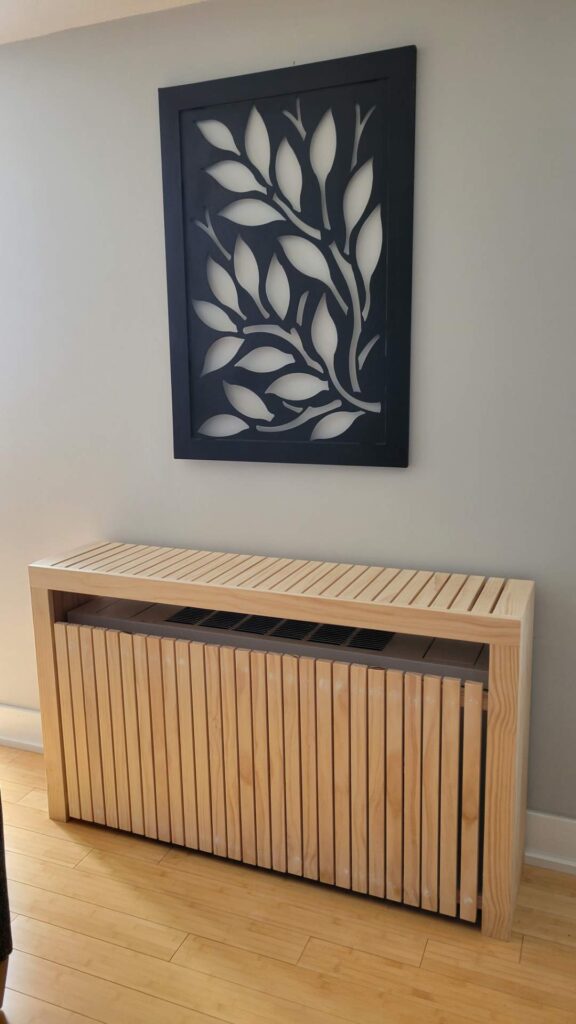
Step 4: Plan the indoor projects for the months you're home
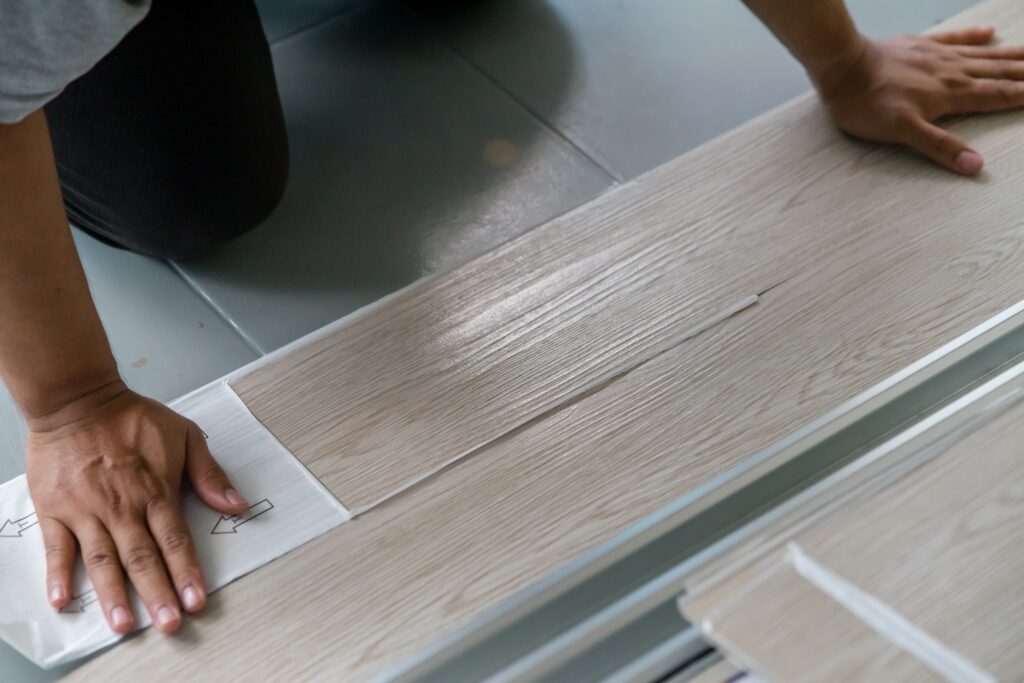
Once the outside is buttoned up, winter is a natural time to tackle work that happens entirely indoors. Scuffed walls you stare at all season are a good candidate for interior painting. Worn floors in a busy entryway or kitchen are a good candidate for vinyl plank flooring, which holds up well to wet boots and foot traffic. And if the holidays mean a new TV, having it mounted gets it secure, level, and off the furniture.
Fall is busy, and there are plenty of people in this industry who are not properly registered or insured. Before anyone works on your home, make sure you're dealing with a legal company. Then ask a simple question: have you done this type of work before? Swapping a door sweep is one thing. Fabricating new trim, rebuilding steps, or building a cabinet is something else, and the answer should come with examples. Our post on how to hire a handyman goes into more detail.
“We treat your home as though it were our own. If we wouldn’t be satisfied with that work in our house, we won’t leave yours that way.”— AEB Services, Inc.
The winter prep decision matrix
If you only do one thing with this post, use this table. Read down the left column to what you're seeing around the house, then check which side has the stronger answer. Anything in the right-hand column is worth getting on the calendar before the weather turns.
| If you notice… | Handle It Yourself | Call Us |
|---|---|---|
| A draft under an exterior door | New sweep | If the door sticks |
| Cracked caulk on sound window trim | Yes | Overkill |
| Trim that's split or pulling away | Stopgap only | Yes |
| A soft deck board near the steps | Not safe to patch | Yes |
| A railing that moves when pushed | No | Before winter |
| No grab bar where one is needed | Needs solid mounting | Yes |
| Rooms you're tired of looking at | Small touch-ups | Good winter project |
The bottom line
Most homes don't need a big project before winter. They need the gaps sealed, the outdoor footing made solid, and a short list of small repairs finished instead of carried into another season. The jobs that can wait really can, and the ones that can't usually make themselves known once you walk the house with a notepad.
If your list is longer than your free weekends, that's what our handyman services are for. Tell us what you need, we'll set up a time to come look at it in person, and you'll get a quote, which is typically free. It's also why so many homeowners like to keep a handyman on call year-round.